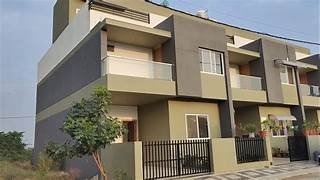
Owning a flat isn’t just about having your dream home—it also brings significant tax savings. The Government of India offers various deductions under the Income Tax Act to encourage home ownership. Whether you’re a salaried professional or a business owner, understanding these Tax benefits of Buying a Flat in India can help you save lakhs of rupees every year.

Let’s break down the key tax benefits of buying a flat in India:
1. Deduction on Home Loan Interest – Section 24(b)
-
You can claim up to ₹2,00,000 per year on the interest paid towards your home loan if the property is self-occupied.
-
For a rented-out flat, there is no maximum limit—you can claim the entire interest paid, though set-off against other income is capped at ₹2 lakh per year.
-
Example: If you pay ₹2.8 lakh as interest in a year, you can claim ₹2 lakh as deduction, reducing your taxable income.
2. Deduction on Principal Repayment – Section 80C
-
The amount you repay as the principal component of your home loan is eligible for tax deduction under Section 80C.
-
Maximum deduction: ₹1.5 lakh per year.
-
Important: To retain this benefit, you should not sell the property within 5 years of possession.
3. Stamp Duty & Registration Charges – Section 80C
-
Expenses like stamp duty and registration fees are also deductible under Section 80C.
-
This deduction can be claimed in the year of purchase only.
-
Example: If you pay ₹1.2 lakh as stamp duty, it falls under the ₹1.5 lakh 80C limit.
4. Additional Deduction for First-Time Buyers – Section 80EE & 80EEA
-
Section 80EE: First-time buyers can claim up to ₹50,000 additional deduction on home loan interest, provided the loan amount is ≤ ₹35 lakh and property value ≤ ₹50 lakh.
-
Section 80EEA: For affordable housing, an extra deduction of up to ₹1.5 lakh on interest is allowed if the stamp duty value of the property ≤ ₹45 lakh.
👉 Together with Section 24(b), this means a first-time buyer could claim interest benefits of up to ₹3.5 lakh annually!
5. Tax Benefits on Joint Home Loans
-
If you take a joint home loan (e.g., with your spouse), each co-owner can claim deductions individually.
-
That means both partners can claim up to ₹2 lakh (interest) + ₹1.5 lakh (principal) = ₹3.5 lakh each under Sections 24(b) & 80C.
6. Rental Income & Tax Benefits of Buying a Flat in India
-
If you rent out your flat, the rental income is taxable, but you get relief too:
-
Standard deduction of 30% on rental income.
-
Full deduction on municipal taxes paid.
-
Deduction on home loan interest (as explained earlier).
-
📊 Quick Example:
Let’s say you buy a flat worth ₹50 lakh with a ₹40 lakh home loan. In a financial year, you pay:
-
₹2.5 lakh interest
-
₹1 lakh principal repayment
-
₹1 lakh stamp duty
Tax Benefits You Can Claim:
-
₹2 lakh under Section 24(b) (interest)
-
₹1.5 lakh under Section 80C (principal + stamp duty)
-
Total = ₹3.5 lakh deduction from taxable income
✅ Conclusion
Buying a flat in India is not only a lifestyle choice but also a smart financial move. With deductions under Sections 24(b), 80C, 80EE, and 80EEA, homeowners can significantly reduce their tax burden.
💡 Pro tip: If you’re planning to buy, consult a tax advisor to maximize these benefits and structure your loan smartly.
Let’s say you buy a flat worth ₹50 lakh with a ₹40 lakh home loan. In a financial year, you pay:
-
₹2.5 lakh interest
-
₹1 lakh principal repayment
-
₹1 lakh stamp duty
Tax Benefits You Can Claim:
-
₹2 lakh under Section 24(b) (interest)
-
₹1.5 lakh under Section 80C (principal + stamp duty)
-
Total = ₹3.5 lakh deduction from taxable income
✅ Conclusion
Buying a flat in India is not only a lifestyle choice but also a smart financial move. With deductions under Sections 24(b), 80C, 80EE, and 80EEA, homeowners can significantly reduce their tax burden.
💡 Pro tip: If you’re planning to buy, consult a tax advisor to maximize these benefits and structure your loan smartly.
Let’s say you buy a flat worth ₹50 lakh with a ₹40 lakh home loan. In a financial year, you pay:
-
₹2.5 lakh interest
-
₹1 lakh principal repayment
-
₹1 lakh stamp duty
Tax Benefits You Can Claim:
-
₹2 lakh under Section 24(b) (interest)
-
₹1.5 lakh under Section 80C (principal + stamp duty)
-
Total = ₹3.5 lakh deduction from taxable income
✅ Conclusion
Buying a flat in India is not only a lifestyle choice but also a smart financial move. With deductions under Sections 24(b), 80C, 80EE, and 80EEA, homeowners can significantly reduce their tax burden.
💡 Pro tip: If you’re planning to buy, consult a tax advisor to maximize these benefits and structure your loan smartly.
Let’s say you buy a flat worth ₹50 lakh with a ₹40 lakh home loan. In a financial year, you pay:
-
₹2.5 lakh interest
-
₹1 lakh principal repayment
-
₹1 lakh stamp duty
Tax Benefits You Can Claim:
-
₹2 lakh under Section 24(b) (interest)
-
₹1.5 lakh under Section 80C (principal + stamp duty)
-
Total = ₹3.5 lakh deduction from taxable income
✅ Conclusion
Buying a flat in India is not only a lifestyle choice but also a smart financial move. With deductions under Sections 24(b), 80C, 80EE, and 80EEA, homeowners can significantly reduce their tax burden.
Let’s say you buy a flat worth ₹50 lakh with a ₹40 lakh home loan. In a financial year, you pay:
-
₹2.5 lakh interest
-
₹1 lakh principal repayment
-
₹1 lakh stamp duty
Tax Benefits You Can Claim:
-
₹2 lakh under Section 24(b) (interest)
-
₹1.5 lakh under Section 80C (principal + stamp duty)
-
Total = ₹3.5 lakh deduction from taxable income
✅ Conclusion
Buying a flat in India is not only a lifestyle choice but also a smart financial move. With deductions under Sections 24(b), 80C, 80EE, and 80EEA, homeowners can significantly reduce their tax burden.
💡 Pro tip: If you’re planning to buy, consult a tax advisor to maximize these benefits and structure your loan smartly.
Let’s say you buy a flat worth ₹50 lakh with a ₹40 lakh home loan. In a financial year, you pay:
-
₹2.5 lakh interest
-
₹1 lakh principal repayment
-
₹1 lakh stamp duty
Tax Benefits You Can Claim:
-
₹2 lakh under Section 24(b) (interest)
-
₹1.5 lakh under Section 80C (principal + stamp duty)
-
Total = ₹3.5 lakh deduction from taxable income
✅ Conclusion
Buying a flat in India is not only a lifestyle choice but also a smart financial move. With deductions under Sections 24(b), 80C, 80EE, and 80EEA, homeowners can significantly reduce their tax burden.
💡 Pro tip: If you’re planning to buy, consult a tax advisor to maximize these benefits and structure your loan smartly.
Let’s say you buy a flat worth ₹50 lakh with a ₹40 lakh home loan. In a financial year, you pay:
-
₹2.5 lakh interest
-
₹1 lakh principal repayment
-
₹1 lakh stamp duty
Tax Benefits You Can Claim:
-
₹2 lakh under Section 24(b) (interest)
-
₹1.5 lakh under Section 80C (principal + stamp duty)
-
Total = ₹3.5 lakh deduction from taxable income
✅ Conclusion
Buying a flat in India is not only a lifestyle choice but also a smart financial move. With deductions under Sections 24(b), 80C, 80EE, and 80EEA, homeowners can significantly reduce their tax burden.
💡 Pro tip: If you’re planning to buy, consult a tax advisor to maximize these benefits and structure your loan smartly.
Let’s say you buy a flat worth ₹50 lakh with a ₹40 lakh home loan. In a financial year, you pay:
-
₹2.5 lakh interest
-
₹1 lakh principal repayment
-
₹1 lakh stamp duty
Tax Benefits You Can Claim:
-
₹2 lakh under Section 24(b) (interest)
-
₹1.5 lakh under Section 80C (principal + stamp duty)
-
Total = ₹3.5 lakh deduction from taxable income
✅ Conclusion
Buying a flat in India is not only a lifestyle choice but also a smart financial move. With deductions under Sections 24(b), 80C, 80EE, and 80EEA, homeowners can significantly reduce their tax burden
💡 Pro tip: If you’re planning to buy, consult a tax advisor to maximize these benefits and structure your loan smartly.